

Key Takeaways
- Speed shapes the sale: Collectors who wait for a price, extra images, or an answer often lose interest, so fast, informed replies sit at the heart of the ecommerce customer experience.
- Clear information builds confidence: Artwork pages with accurate dimensions, pricing routes, context, and shipping details remove the questions that stall online sales.
- Collectors move between channels: Most buyers discover work online but still value a personal conversation, so online viewing rooms and informed follow-up matter.
- Time is the real constraint: Manual admin pulls gallery teams away from selling, which makes connected artwork and collector records especially valuable.
- One record for every lead: Keeping website, fair, and gallery inquiries in one system speeds up follow-up and stops details from getting lost.
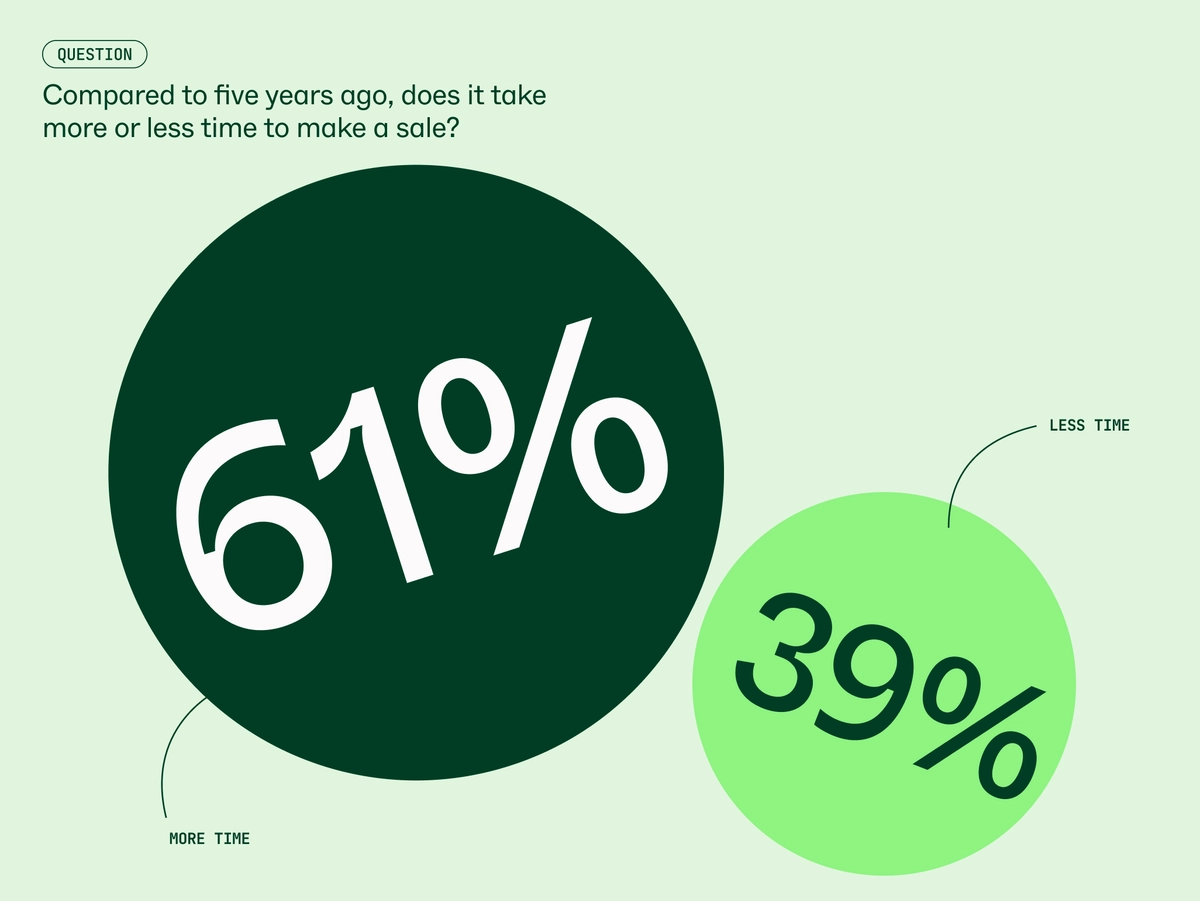
If you’ve noticed that it’s taking longer to make a sale than it used to, you’re not alone. In The Artlogic Gallery Report 2026, a survey of galleries across 57 countries, 49% of galleries described 2026 as a more challenging year, and collector demand ranked as the biggest obstacle to growth. When collectors are more cautious, every delay in the buying journey matters more. A collector may discover a work online but still need help understanding its scale, availability, or delivery options before deciding. Those conversations are part of selling art; waiting for an answer or repeating the same question to different colleagues should not be.
Improving the ecommerce customer experience means making those steps easier while preserving the personal service collectors expect.
This guide looks at what a good ecommerce customer experience means for galleries, what collectors expect when they buy art online, and the practical changes that help galleries reply faster and close sooner.
What Is the Ecommerce Customer Experience for Art Galleries?
The ecommerce customer experience is every interaction a collector has with your gallery online, from finding a work on your website or social channels to inquiring, negotiating, paying, and receiving it. For galleries, it rarely ends with a checkout button. Most online art sales still involve a conversation, so the experience also includes how quickly you reply, how well you know the collector, and how smoothly a sale moves from interest to invoice.
Why Are Gallery Sales Taking Longer?
A slower sale rarely has a single cause. Several pressures tend to build on each other, and each one adds time between a collector’s first question and a completed sale.
Collectors Are More Cautious
Collector demand is the biggest obstacle to growth for 34% of galleries in The Artlogic Gallery Report 2026, ahead of rising costs at 19%, and 45% notice more price sensitivity. Cautious buyers ask more questions and take longer to decide, so any gap in information or follow-up adds days to the sale.
Gallery Teams Are Short on Time
Selling competes with everything else a gallery has to do, from preparing for shows, exhibitions, and fairs to day-to-day administration. In the 2026 report, galleries ranked less manual administrative time as the software outcome that matters most, a sign of how much routine work pulls teams away from collectors.
Selling Happens Across More Channels
Collectors now find work on gallery websites, social media, online viewing rooms, art fairs, and in the gallery itself. Each channel adds inquiries to track, and when they arrive in different inboxes, replies slow down and follow-ups are missed.
Process Matters More Than Size
Galleries that sell quickly tend to have clear processes for handling interest and following up, wherever a lead comes from. A defined route from first inquiry to invoice does more to speed up a sale than the size of the team.
Why Do Online Art Sales Take Longer Than In-Person Sales?
In a gallery or at a fair, a collector can stand in front of a work, ask questions, and get answers on the spot. Online, each of those steps can become a delay. A collector may wait for a price, a condition report, or extra images, and every gap gives them time to look elsewhere or lose interest.
Artworks are also high-value, considered purchases. Collectors want to feel confident about scale, color, provenance, and shipping before they commit, and artwork pages that leave those questions unanswered slow the decision down.
What Makes a Good Online Buying Experience for Art Collectors?
Collectors expect the same care online that they receive in person. Following website best practices for selling art removes many of the questions that would otherwise stall a sale:
- Clear artwork pages: High-quality images, dimensions, medium, year, and edition details for every work.
- Transparent pricing: A listed price, or a clear “price on request” route that tells collectors when to expect a reply.
- Context: Artist biographies, exhibition history, and provenance that help collectors understand a work’s significance.
- Practical details: Framing, shipping, and returns information so collectors can picture the full purchase.
- An easy next step: A visible inquiry or purchase button on every artwork page.
A gallery website built on your inventory keeps these details accurate, because artwork pages update when your records do.
How Do Collectors Prefer to Buy Art Online?
Collectors move between channels. Someone might discover an artist on social media, browse your website, attend a private view, and finally buy after an email exchange. Many still prefer to speak with someone before committing, especially for higher-value works.
That makes curated, personal formats valuable. An online viewing room lets you present a small selection of works to a specific collector or group, with context and pricing, while keeping the feel of a one-to-one conversation. Targeted email campaigns about artists a collector already follows also land better than a general newsletter.
How Can Galleries Respond to Online Inquiries Faster?
Response time is one of the clearest signals of a good e-commerce customer experience. A few habits make a noticeable difference:
- Set a reply standard: Aim to answer every online inquiry within one working day, and say so on your website.
- Prepare materials in advance: Keep price lists, condition reports, and extra images ready to send for available works.
- Assign ownership: Decide who handles website, email, and social inquiries so none sit unanswered.
- Reply with context: Check what a collector has bought or asked about before, so your answer feels informed rather than generic.
How Can Galleries Shorten Their Sales Cycle?
Shortening the sales cycle comes down to removing friction at each stage. Map how a typical sale moves from first inquiry to payment, then look for the points where interest stalls. A clear sales pipeline makes those stages visible, so your team can see which deals need a follow-up and which are close to closing.
It also helps to protect time for selling. Shows, exhibitions, and fairs take up a large share of a gallery team’s time, so setting aside regular time to review open inquiries keeps sales moving between events.
How Do Galleries Manage Online and In-Person Leads in One Place?
In an increasingly omnichannel art market, galleries get better results when their technology can manage leads across every sales channel.
When website inquiries, fair contacts, and gallery visitors live in separate spreadsheets and inboxes, follow-up slows and details get lost. Artlogic’s gallery sales and CRM software brings every contact, inquiry, and sale into one record, connected to your inventory and website. Your team can see a collector’s full history, share relevant works, and turn an online inquiry into an invoice without switching systems.
Improving Your Gallery’s Ecommerce Customer Experience
Slower sales cycles don’t have to be the norm. Galleries that give collectors clear information online, reply quickly, and keep every lead in one place make it easier for collectors to say yes, wherever they first discover a work.
Ready to connect your website, inquiries, and sales? Try Artlogic for free, or book a call to talk through your gallery’s website and sales workflow.
Frequently Asked Questions
What is the ecommerce customer experience for an art gallery?
It is every online interaction a collector has with your gallery, from browsing artwork pages to inquiring, negotiating, paying, and receiving a work. Because most art sales still involve a conversation, response time and personal follow-up are part of it.
Why do online art sales take longer than in-person sales?
Online, collectors often wait for prices, images, or condition details that they would get immediately in person. Clear artwork pages and quick, informed replies close most of that gap.
How can galleries shorten their sales cycle?
Give collectors complete information on artwork pages, reply to inquiries quickly, track every deal through clear pipeline stages, and protect regular time for follow-up.
How do collectors prefer to buy art online?
Most move between channels and still value a personal conversation. Curated online viewing rooms, informed replies, and targeted emails keep that personal feel online.
How can galleries manage online and in-person leads in one place?
Use one system that records every contact and inquiry, whichever channel it came from, so your team can follow up with the full picture of each collector.
About the author
Natasha Whiffin is Head of Brand Marketing & Partnerships at Artlogic, where she leads brand strategy and industry partnerships. She previously worked in partnerships and development roles at Art Basel, Paddle8 and Asia Art Archive, and regularly shares perspective on art market trends, mergers and technology. She has co-hosted Artlogic webinars on scaling small galleries.