
Key takeaways:
- Successful exhibitions start with clear goals, accurate artwork information, and a realistic timeline and budget.
- A strong exhibition narrative and targeted marketing plan can help galleries build interest and connect the right collectors with the work.
- Keeping artwork, contacts, sales activity, and follow-up connected can help gallery teams stay organized throughout the exhibition.
Creating a successful exhibition involves many moving parts. From defining goals and organizing artworks to developing a clear narrative and preparing collectors for a viewing, each stage affects how audiences experience the show and how confidently your gallery can support its artists.
Knowing how to plan a successful exhibition starts with creating a clear, repeatable process. Establishing the right structure early can help your gallery stay organized, coordinate responsibilities, and spend more time focusing on the artists, collectors, and creative decisions that make an exhibition successful.
This guide walks through the essential steps for planning and delivering an exhibition, from initial preparation through post-show follow-up.
Steps for Planning a Successful Exhibition
1. Define Your Exhibition Goals
Before selecting works or preparing promotional materials, define what your gallery wants the exhibition to accomplish. Goals might include introducing an artist to new collectors, strengthening existing collector relationships, generating sales, increasing visibility, or supporting an artist's broader career.
Establish a few measurable indicators of success before planning begins. These might include attendance, collector inquiries, sales, press coverage, or engagement with digital exhibition materials. Clear goals give your team a shared direction and make it easier to evaluate the exhibition afterward.
2. Start With Complete Artwork Information
Begin by gathering clean, accurate information for every artwork. This includes titles, dates, materials, dimensions, images, provenance, exhibition history and any consignment details. The goal is to have one clear source of truth that you can rely on throughout the exhibition.
It can be helpful to keep this information organised in a checklist or shared folder that the whole team can access. When information is complete at the beginning, it becomes easier to prepare wall labels, press materials, sales documents and web content later on.
3. Create an Exhibition Timeline and Budget
Create an exhibition timeline early in the planning process, working backward from the opening date. Include key deadlines for artwork confirmation, transportation, installation, photography, marketing materials, collector outreach, press activity, and the opening itself. Assign responsibilities and deadlines so everyone involved understands what needs to happen and when.
Establish a budget alongside your timeline. Consider costs such as shipping, insurance, installation, photography, printed materials, events, and promotion. Building these considerations into the plan early can help your gallery make informed decisions and avoid unexpected costs as the opening approaches.
4. Group Artworks Early and Keep Them Together
Once artworks are documented, group the selected pieces for the exhibition in a dedicated list. Think of this as a central working list for the exhibition.. It will help you keep track of what is confirmed, what is pending and what is still under discussion.
Having a defined group early in the process also supports planning for spatial layout, photography, marketing and pricing. You can refine the list as needed, but it is valuable to start with a structured view of the whole show.
Create an exhibition timeline early in the process that includes key deadlines for artwork confirmation, installation, photography, marketing materials, collector outreach and the opening itself. Assigning responsibilities and deadlines gives everyone involved a clear understanding of what needs to happen and when. This can also help identify potential delays before they affect later stages of the exhibition.
5. Prepare Your Exhibition Narrative and Materials
Before anyone ever sees the exhibition, prepare a clear narrative. This includes the exhibition text, artist biography, curatorial framing, and any supporting content such as interviews, studio images or a press release.
Aim to keep materials consistent across all touchpoints. If the exhibition has a strong story, it will carry through naturally into your invitations, collector previews and web content. It also helps your team speak more confidently about the show.
6. Build an Exhibition Marketing Plan
Build your exhibition marketing plan around the audiences most relevant to the show. Map out when and how your gallery will use email campaigns, social media, press outreach, collector previews, and other promotional channels leading up to the opening.
Consider which audiences should hear about the exhibition first and tailor your messaging accordingly. Priority collectors may benefit from an early private preview, while broader audiences can be reached through email, social media, and web content. Planning these touchpoints in advance helps your gallery communicate consistently and build anticipation throughout the exhibition.
7. Share the Exhibition with the Right Audiences
As you get closer to the opening, begin sharing the exhibition with your network. You might create tailored previews for priority collectors, send general announcements to your mailing list and prepare media outreach.
Think about how you want people to experience the work. Some galleries prefer early private previews for key clients, while others focus on broad digital promotion. Whatever you choose, clarity and consistency help build anticipation.
For private outreach, keep messages personal and concise. Introduce the exhibition, highlight a few works and offer collectors a simple way to request more information or arrange a viewing.
8. Create an Exhibition Marketing Plan
Your exhibition marketing plan should include a schedule for email campaigns, social media, press outreach and collector previews. Consider which audiences should hear about the exhibition first and tailor your messaging accordingly. Planning these touchpoints in advance helps create consistent communication leading up to the opening while giving priority collectors opportunities to engage with the work early.
9. Capture Engagement
At the opening or private view, focus on meaningful conversations. Make a note of who attends, who engages with particular artists andany follow-up that will be useful afterward.
This information becomes essential once the event is over. It helps you decide who to thank, who to reconnect with and which collectors showed interest in specific works.
10. Follow Up and Review After the Exhibition
Once the exhibition is open and conversations have begun, follow up with collectors. A short thank-you message or a reminder of available works often keeps momentum going.
After the exhibition closes, review what worked well. Look at attendance, artwork interest and sales performance. These insights help refine your approach for future exhibitions and keep your team aligned on what to prioritize.
How Artlogic Supports Successful Exhibitions
Planning an exhibition often requires galleries to manage artwork information, contacts, sales activity, marketing, and follow-up at the same time. When that information lives across separate spreadsheets, inboxes, and tools, keeping the entire team aligned can become difficult.
Artlogic's gallery management software brings key parts of that workflow together in one system. Galleries can keep artwork and contact information organized, manage collector relationships, create and share private views, and support sales activity without relying on disconnected tools.
A connected workflow can reduce administrative work throughout the exhibition process, giving gallery teams more time to focus on their artists, collectors, and the exhibition itself.
Bring Your Next Exhibition Together
A successful exhibition depends on more than the opening itself. Clear goals, organized artwork information, thoughtful planning, consistent marketing, and timely collector follow-up all contribute to a stronger exhibition from start to finish. A connected workflow can also help your gallery spend less time managing administrative tasks and more time supporting artists and building collector relationships.
Ready to simplify how your gallery manages exhibitions? Book a call with Artlogic to see how the platform can support your gallery’s artwork, contacts, sales, and exhibition workflows, or try Artlogic for free to explore the tools for yourself.
Frequently Asked Questions
How Do You Plan a Successful Exhibition?
Start by defining the exhibition's goals, then create a timeline and budget, organize artwork information, develop the exhibition narrative, plan marketing and collector outreach, and establish a process for follow-up and evaluation. For galleries, keeping these activities connected can make it easier for teams to stay organized from initial planning through post-show review.
How Far in Advance Should a Gallery Plan an Exhibition?
The ideal timeline depends on the exhibition's scale, artist availability, shipping requirements, and promotional plans. Work backward from the opening date and allow enough time for artwork confirmation, logistics, installation, marketing, collector outreach, and press activity.
What Should Be Included in an Exhibition Plan?
An exhibition plan should include the show's goals, artwork list, timeline, budget, team responsibilities, exhibition narrative, installation needs, marketing strategy, collector outreach, and post-show follow-up.
How Should Galleries Market an Exhibition?
Galleries can combine targeted collector outreach with email, social media, press activity, digital exhibition content, and private previews. The right mix depends on the exhibition's goals and the audiences most likely to engage with the artists and works.
How Can Gallery Management Software Help With Exhibition Planning?
Gallery management software can centralize artwork information, contacts, collector activity, sales, and other exhibition workflows. Keeping this information connected can reduce administrative work and make it easier for gallery teams to collaborate throughout an exhibition.
-
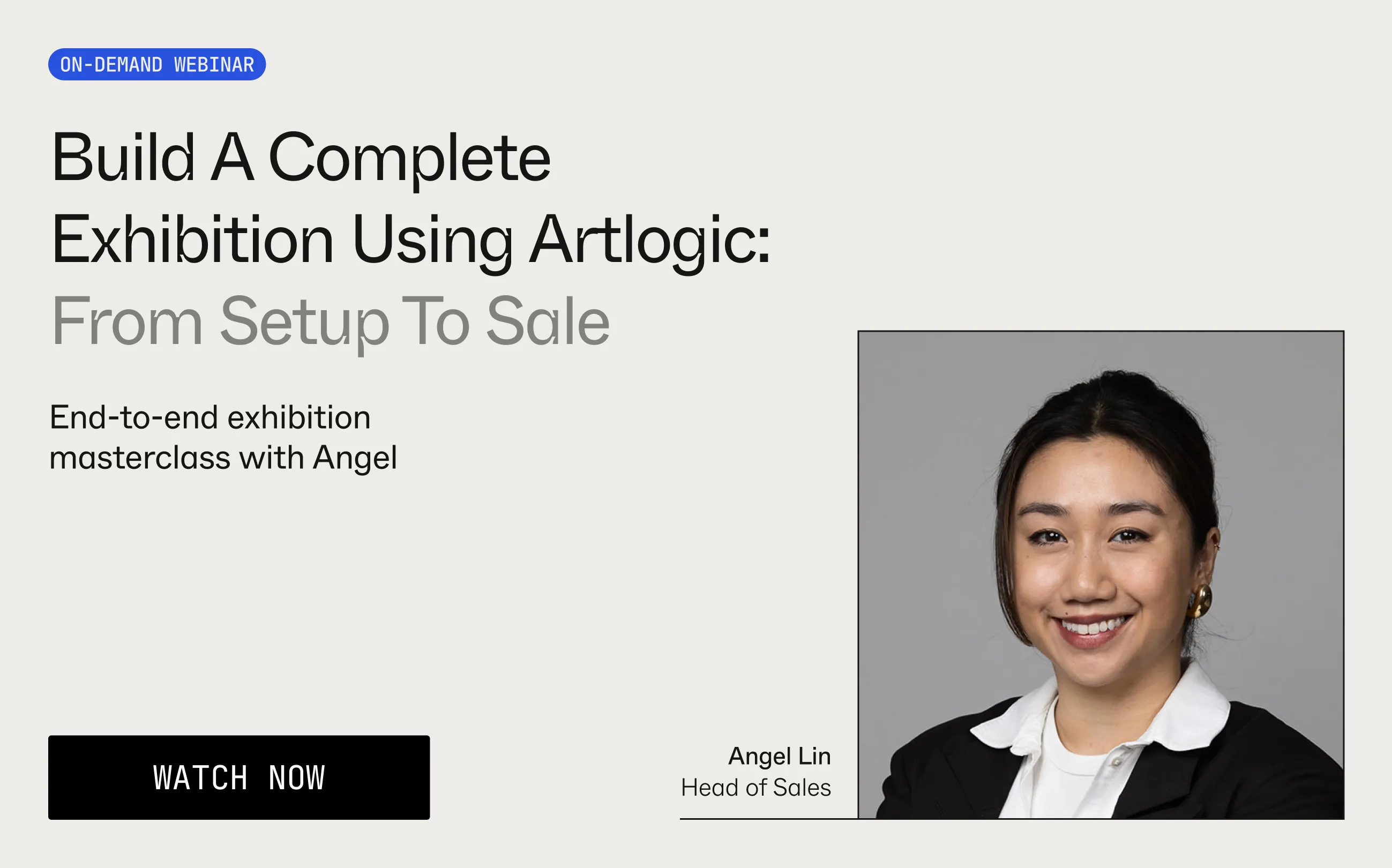
Check out our 45-minute webinar which walks you through how sales teams can use Artlogic as a true 360° sales solution, from segmenting collectors and creating private views to sending offers, taking payments and tracking performance in one place. See how to replace scattered tools with a single, connected workflow that helps you sell more art with less admin.
About the author
Megan Schaeffer is Growth Marketing Manager at Artlogic, leading full-funnel marketing across paid, owned and earned channels. A former public art programs director, art consultant, and arts administrator trained at The College of Charleston and Sotheby's Institute, she brings genuine hands-on art world experience to her marketing work. She is passionate about creating opportunities for artists and arts workers.