


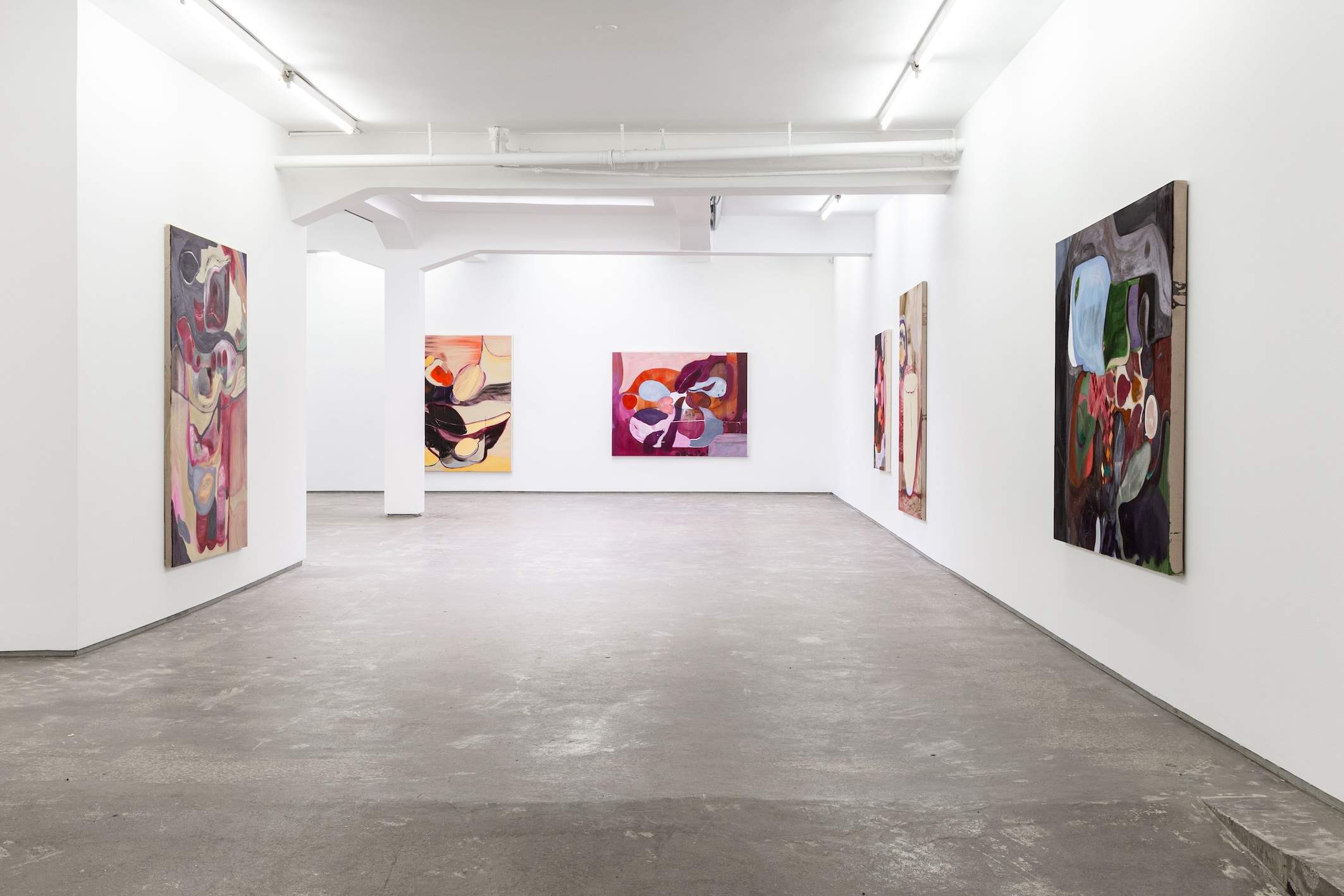










Creating an exhibition involves many moving parts. From organising artworks to preparing collectors for a viewing, each stage affects how your audience experiences the show and how confidently you can support your artists. A clear and repeatable approach helps keep the process structured and gives your team room to focus on creative and strategic decisions.
This guide outlines a simple framework for planning and delivering an exhibition from start to finish.
1. Start with complete artwork information
Begin by gathering clean, accurate information for every artwork. This includes titles, dates, materials, dimensions, images, provenance, exhibition history and any consignment details. The goal is to have one clear source of truth that you can rely on throughout the exhibition.
It can be helpful to keep this information organised in a checklist or shared folder that the whole team can access. When information is complete at the beginning, it becomes easier to prepare wall labels, press materials, sales documents and web content later on.
2. Group artworks early and keep them together
Once artworks are documented, group the selected pieces for the exhibition in a dedicated list. Think of this as the exhibition's working container. It will help you keep track of what is confirmed, what is pending and what is still under discussion.
Having a defined group early in the process also supports planning for spatial layout, photography, marketing and pricing. You can refine the list as needed, but it is valuable to start with a structured view of the whole show.
3. Prepare your exhibition narrative and materials
Before anyone ever sees the exhibition, prepare a clear narrative. This includes the exhibition text, artist biography, curatorial framing and any supporting content such as interviews, studio images or a press release.
Aim to keep materials consistent across all touchpoints. If the exhibition has a strong story, it will carry through naturally into your invitations, collector previews and web content. It also helps your team speak more confidently about the show.
4. Share the exhibition with the right audiences
As you get closer to the opening, begin sharing the exhibition with your network. You might create tailored previews for priority collectors, send general announcements to your mailing list and prepare media outreach.
Think about how you want people to experience the work. Some galleries prefer early private previews for key clients, while others focus on broad digital promotion. Whatever you choose, clarity and consistency help build anticipation.
For private outreach, keep messages personal and concise. Introduce the exhibition, highlight a few works and offer collectors a simple way to request more information or arrange a viewing.
5. Capture engagement
At the opening or private view, focus on meaningful conversations. Make a note of who attends, who engages with particular artists and any follow up that will be useful afterward.
This information becomes essential once the event is over. It helps you decide who to thank, who to reconnect with and which collectors showed interest in specific works.
6. Follow up and review after the exhibition
Once the exhibition is open and conversations have begun, follow up with collectors. A short thank you message or a reminder of available works often keeps momentum going.
After the exhibition closes, review what worked well. Look at attendance, artwork interest and sales performance. These insights help refine your approach for future exhibitions and keep your team aligned on what to prioritise.
-
Check out our 45-minute webinar which walks you through how sales teams can use Artlogic as a true 360° sales solution, from segmenting collectors and creating private views to sending offers, taking payments and tracking performance in one place. See how to replace scattered tools with a single, connected workflow that helps you sell more art with less admin.